
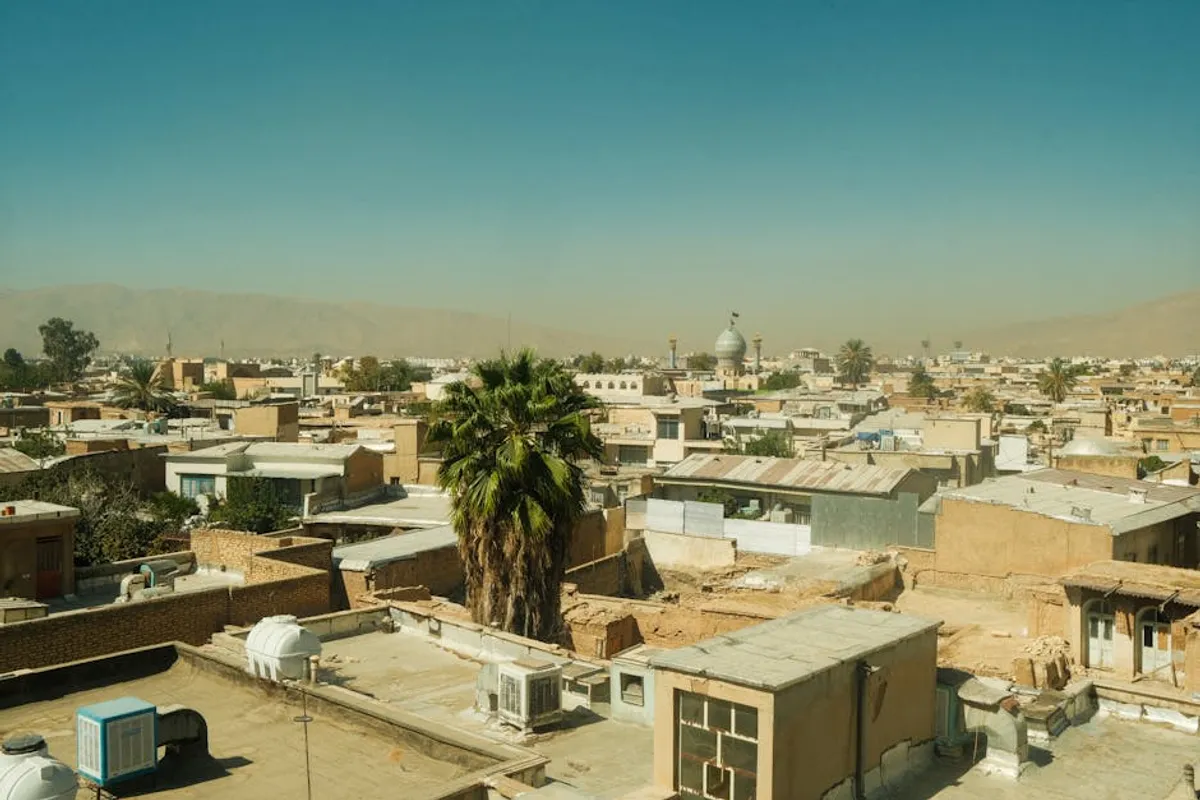
Fars Province, situated in southwestern Iran, represents a foundational pillar of Persian civilization, offering an immersive journey through millennia of history, profound cultural traditions, and iconic architectural achievements. For those seeking to understand the enduring legacy of ancient empires, the lyrical soul of Persian poetry, or the intricate artistry of traditional crafts, Fars provides a concentrated experience. This guide outlines the province's historical significance, its vibrant cultural landscape, and the essential places that define its unique character, serving as a critical resource for travelers, researchers, and cultural enthusiasts alike. This guide outlines the province's historical significance, its vibrant cultural landscape, and the essential places that define its unique character, serving as a beginner's guide to Persian culture.
The Enduring Historical Tapestry of Fars
Fars Province holds a central position in the narrative of Persian history, serving as the heartland for several powerful empires. Its historical landscape is punctuated by sites that testify to the ingenuity and grandeur of ancient civilizations, particularly the Achaemenid and Sasanian dynasties. The region’s strategic location and fertile plains fostered the development of sophisticated political and cultural centers that influenced vast territories. The region’s strategic location and fertile plains fostered the development of sophisticated political and cultural centers that influenced vast territories, making it a focus for key books on Persian history.
Ancient Capitals: Persepolis and Pasargadae
The most prominent historical sites in Fars are undoubtedly Persepolis and Pasargadae. Persepolis, founded by Darius I around 518 BC, served as the ceremonial capital of the Achaemenid Empire. Its monumental staircases, intricately carved reliefs depicting tribute bearers from across the empire, and the grand Apadana palace offer a vivid glimpse into the power and artistic prowess of the Achaemenids. The site's destruction by Alexander the Great in 330 BC marks a pivotal moment in ancient history, yet its ruins continue to convey a sense of awe-inspiring scale.
Pasargadae, the earlier capital established by Cyrus the Great in the 6th century BC, represents the first monumental architectural complex of the Achaemenid Empire. Its most striking feature is the tomb of Cyrus, a simple yet profound structure that stands as a symbol of the empire's founder. The site's layout, incorporating gardens and palaces, reflects an early form of Persian garden design and imperial planning.
Islamic Golden Age Contributions
Following the Arab conquest in the 7th century, Fars continued to flourish as a center of Islamic learning and culture. Shiraz, the provincial capital, emerged as a significant hub during the Buyid and Zand dynasties, contributing substantially to Islamic art, science, and literature. The architectural styles evolved, incorporating intricate tilework, calligraphy, and dome structures, evident in mosques, madrasas, and caravanserais that still dot the landscape.
Cultural Heartbeat: Arts, Literature, and Traditions
Fars Province, particularly Shiraz, is synonymous with Persian culture, often referred to as the cultural capital of Iran. Its legacy is deeply intertwined with poetry, sophisticated garden design, and a rich tradition of handicrafts.
Literary Legacy: Shiraz's Poets
Shiraz is the birthplace and resting place of two of Persia's most revered poets: Hafez and Sa'di. Their mausoleums, Hafezieh and Sa'dieh, are not merely tombs but active centers of cultural pilgrimage, where visitors recite their verses and reflect on their profound insights into love, spirituality, and human nature. Hafez's lyrical ghazals and Sa'di's ethical works, Gulistan (The Rose Garden) and Bustan (The Orchard), remain cornerstones of Persian literature, influencing generations of writers and thinkers globally.
Traditional Crafts and Cuisine
The province is a vibrant center for traditional Persian handicrafts. Artisans in Fars produce exquisite examples of Khatamkari (inlay work), minakari (enameling), and various forms of carpet weaving, including the renowned Qashqai rugs. These crafts are not merely decorative; they embody centuries of skill and cultural expression. The local cuisine also reflects the region's agricultural bounty and historical influences, featuring dishes like Kalam Polo Shirazi (cabbage and rice), Ash-e Anar (pomegranate soup), and various types of stews infused with local herbs and spices.
Key Places to Know Beyond the Capitals
While Persepolis and Pasargadae draw considerable attention, Fars Province offers a broader spectrum of historical, natural, and cultural sites that merit exploration.
Shiraz: The City of Poets and Gardens
Beyond its poetic heritage, Shiraz is famous for its stunning Persian gardens, such as Eram Garden and Narenjestan-e Ghavam. These gardens, meticulously designed with geometric layouts, flowing water, and fragrant flora, offer serene retreats and exemplify Persian aesthetic principles. The Nasir al-Mulk Mosque, known as the "Pink Mosque," captivates with its kaleidoscope of colors created by stained-glass windows, particularly striking in the morning light. The Vakil Bazaar and Mosque, part of a larger complex from the Zand period, provide a bustling commercial and architectural experience.
Ancient Wonders Beyond Shiraz
Pro Tip: When planning your itinerary for Fars Province, allocate sufficient time for travel between sites. While major attractions like Persepolis are accessible, some ancient ruins or natural landscapes require dedicated transport and can involve longer journeys. Prioritize sites based on your specific interests in history, culture, or nature to optimize your experience.
- Naqsh-e Rustam: Located a few kilometers from Persepolis, Naqsh-e Rustam features four large tombs carved into a rock face, believed to belong to Achaemenid kings. Below these tombs are impressive Sasanian rock reliefs depicting imperial triumphs and investiture scenes, including the famous relief of Shapur I's victory over Roman emperors.
- Bishapur: An ancient city founded by Shapur I of the Sasanian Empire, Bishapur showcases a blend of Persian and Roman architectural styles, reflecting the influence of Roman prisoners of war involved in its construction. The site includes a royal palace, a temple dedicated to Anahita (the goddess of water), and a significant Sasanian bridge.
- Firuzabad: Home to the Palace of Ardashir Papakan, a grand Sasanian palace dating back to the 3rd century AD. This site is notable for its massive dome structures and early examples of Sasanian architecture, offering insights into the period's engineering capabilities.
Natural Landscapes and Nomadic Life
The province's diverse geography ranges from fertile plains to the rugged peaks of the Zagros Mountains. This varied landscape supports a rich biodiversity and provides a home for nomadic tribes, most notably the Qashqai. Observing or learning about their seasonal migrations and vibrant textile traditions offers a unique cultural dimension to a visit to Fars, connecting the ancient past with living traditions.
Preparing for Your Journey to Fars
A visit to Fars Province requires some practical considerations to ensure a rewarding experience. Understanding local customs and logistical details will enhance your exploration of this historically rich region.
- Best Time to Visit: Spring (March to May) and autumn (September to November) offer the most pleasant weather, with mild temperatures ideal for sightseeing. Summers can be very hot, and winters, while generally mild, can bring cooler temperatures, especially in higher elevations.
- Transportation: Shiraz has an international airport, making it accessible. Within the province, taxis and ride-hailing services are common in cities. For inter-city travel to historical sites, private drivers or organized tours are often recommended due to the distances and sometimes remote locations of attractions.
- Local Etiquette: Dress modestly, especially when visiting religious sites. Politeness and respect for local customs, such as greeting elders or removing shoes before entering homes or mosques, are highly appreciated. Learning a few basic Persian phrases can also significantly enrich interactions.
- Accommodation: Shiraz offers a range of accommodations from traditional boutique hotels in historic houses to modern hotels. Booking in advance, particularly during peak seasons, is advisable.
Frequently Asked Questions About Fars Province
What is Fars Province most famous for?
Fars Province is most famous for being the heartland of the ancient Persian empires, particularly the Achaemenid and Sasanian, housing iconic sites like Persepolis and Pasargadae. It is also renowned for its rich literary heritage, especially the poets Hafez and Sa'di, and its beautiful Persian gardens in Shiraz.
Is Shiraz safe for tourists?
Shiraz is generally considered safe for tourists. Like any travel destination, exercising general caution and being aware of your surroundings is advisable. Locals are typically hospitable and welcoming to visitors.
How many days are recommended to explore Fars Province?
To adequately explore Shiraz and its immediate surroundings, including Persepolis and Naqsh-e Rustam, a minimum of 3 to 4 full days is recommended. If you wish to visit more remote historical sites like Bishapur or experience nomadic culture, extending your stay to 5-7 days would be beneficial.
What currency is used in Fars Province?
The official currency of Iran is the Iranian Rial (IRR). However, prices are often quoted in Tomans, where 1 Toman equals 10 Rials. It is crucial to clarify which unit is being used for transactions. Credit and debit cards issued outside Iran are generally not accepted, so cash (USD or EUR for exchange) is essential.