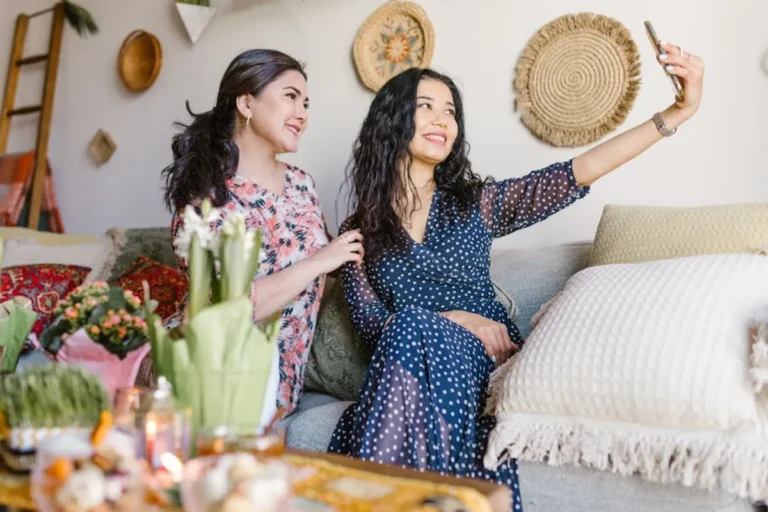

Visiting Iran offers a unique opportunity to engage with a rich, ancient culture. For tourists, understanding the nuances of Iranian social customs and traditions is not merely a formality; it is central to navigating daily interactions, showing respect, and fostering genuine connections with locals. This guide provides practical insights into Iranian culture, equipping travelers with the knowledge to enhance their experience and avoid common misunderstandings, ensuring a smoother and more enriching journey through this historically significant nation. Understanding the nuances of Iranian social customs and traditions will greatly enhance your interactions and respect from locals.
Navigating Iranian Social Etiquette and Hospitality
Iranian culture places a high value on hospitality, often expressed through elaborate social rituals. Understanding these can significantly improve interactions.
The Practice of Taarof
Taarof is a complex system of politeness, deference, and humility that permeates Iranian social interactions. It involves offering something (a service, a gift, a discount) and initially refusing an offer, often multiple times, before accepting. For tourists, this most frequently manifests in commercial settings or when locals offer help.
- In Shops and Taxis: A shopkeeper might initially refuse payment or a taxi driver might say "ghabeli nadareh" (it's not worth anything) when quoting a fare. This is Taarof; they expect you to insist on paying the standard price.
- When Offered Hospitality: If invited to a home or offered food, it's customary to decline once or twice before accepting, to show humility. The host will insist, demonstrating their generosity.
Practical Tip: Always insist on paying the fair price in commercial transactions. When offered something by a local, politely decline once or twice before accepting to show respect for their generosity, unless you genuinely do not want it.
Respect for Elders and Family Values
Family is the cornerstone of Iranian society. Elders are held in high esteem, and respect for them is paramount. When meeting an elderly person, it's polite to greet them first, and if seated, to stand up. Public displays of affection are generally reserved for family members.
Understanding Dress Codes and Public Behavior
Iran adheres to Islamic dress codes and public conduct norms. These are important for all visitors to observe.
Mandatory Dress for Women
All women, including tourists, are required to wear a headscarf (hijab) in public. This should cover the hair and neck. Loose-fitting clothing that conceals the body's contours, such as a tunic or long coat (manteau), reaching at least to mid-thigh, is also necessary. While strictness can vary by region and individual interpretation, adhering to these basics is non-negotiable for public spaces.
Best for: Ensuring compliance and showing respect for local laws and customs.
Dress for Men
Men are expected to dress modestly. Shorts are generally not acceptable in public, nor are sleeveless shirts. Long trousers and short-sleeved shirts are common and appropriate. T-shirts are usually fine, but avoid anything with offensive or highly political imagery.
Public Conduct
Public displays of affection between men and women are not permitted. Handshakes between men and women are generally avoided unless initiated by the woman. In some contexts, men may greet women with a slight bow or by placing a hand over their heart. Observing how locals interact can provide useful cues.
Pro Tip: Always carry a spare headscarf or a larger shawl. While many women wear their headscarves loosely, especially in larger cities, having a more substantial one can be useful for entering religious sites where stricter coverage might be expected. For men, always pack long trousers, even in warm weather.
Dining Etiquette and Social Gatherings
Iranian dining is a social affair, often involving communal dishes and specific customs.
Mealtime Customs
Meals are typically eaten communally, with dishes shared among diners. It's common to eat with your right hand, especially when breaking bread or picking up food. When invited to an Iranian home, it's customary to bring a small gift, such as pastries, flowers, or sweets. Arriving slightly late (10-15 minutes) is generally acceptable, but not excessively so.
Key aspect: Always remove your shoes before entering an Iranian home. This is a universal sign of respect.
Tea Culture
Tea (chai) is a staple of Iranian hospitality and social life. It's offered frequently in homes, shops, and during meetings. Accepting a cup of tea is a simple way to engage in local customs and show appreciation.
Navigating Photography and Religious Sites
Photography is a popular activity for tourists, but cultural sensitivity is key in Iran.
Photography Guidelines
Always ask for permission before photographing individuals, especially women and children. In religious sites, photography rules can vary; some allow it freely, others restrict it to specific areas or prohibit it entirely. Look for signs or ask a local attendant. Avoid photographing government buildings, military installations, or police personnel.
Visiting Mosques and Holy Shrines
When visiting mosques or shrines, women must wear a chador (a full-body cloak) which is usually provided at the entrance. Both men and women should dress modestly, covering arms and legs. Remove shoes before entering prayer areas. Maintain silence and respect during prayer times.
Practical Cultural Immersion for Tourists
Beyond formal etiquette, embracing local practices enriches the travel experience.
- Greetings: The most common formal greeting is "Salam" (peace). For a more complete greeting, "Salam-o-aleikom" is used. When departing, "Khodahafez" (goodbye) is standard.
- Bazaars and Shopping: Bargaining is common in traditional bazaars, especially for handicrafts and souvenirs. Start with a polite offer, but be prepared to pay a fair price.
- Transportation: When taking a shared taxi (savari), it's common for the driver to wait until the car is full before departing. Be patient and observe local practices.
Enhancing Your Iranian Journey Through Cultural Understanding
Engaging with Iranian culture requires an open mind and a willingness to observe and adapt. By understanding the principles of Taarof, respecting dress codes, and participating in local customs like tea drinking, tourists can move beyond mere sightseeing to truly connect with the people and the profound heritage of Iran. This preparation not only prevents missteps but also unlocks richer, more authentic interactions, transforming a trip into a memorable cultural exchange.
Frequently Asked Questions
What is Taarof and how should tourists respond to it?
Taarof is a Persian art of politeness and humility. Tourists should understand that initial refusals of payment or offers of hospitality are often part of this custom. In commercial settings, insist on paying the stated price. In social settings, politely decline an offer once or twice before accepting, to show respect for the host's generosity.
Are there specific rules for photography in Iran?
Always ask for permission before photographing individuals, especially women and children. Avoid taking pictures of government buildings, military sites, or police. In religious sites, check for signs or ask officials about photography policies, as rules can vary.
What should women wear in public in Iran?
All women, including tourists, must wear a headscarf (hijab) that covers the hair and neck, and loose-fitting clothing (like a tunic or manteau) that conceals body shape and reaches at least to mid-thigh. Sleeves should cover the arms.
Is it customary to tip in Iran?
Tipping is not as widespread or expected as in some Western countries, but it is appreciated for good service. In restaurants, a service charge may be included. For taxi drivers, rounding up the fare is common. For hotel staff or tour guides, a small tip at the end of your stay or tour is appropriate.