
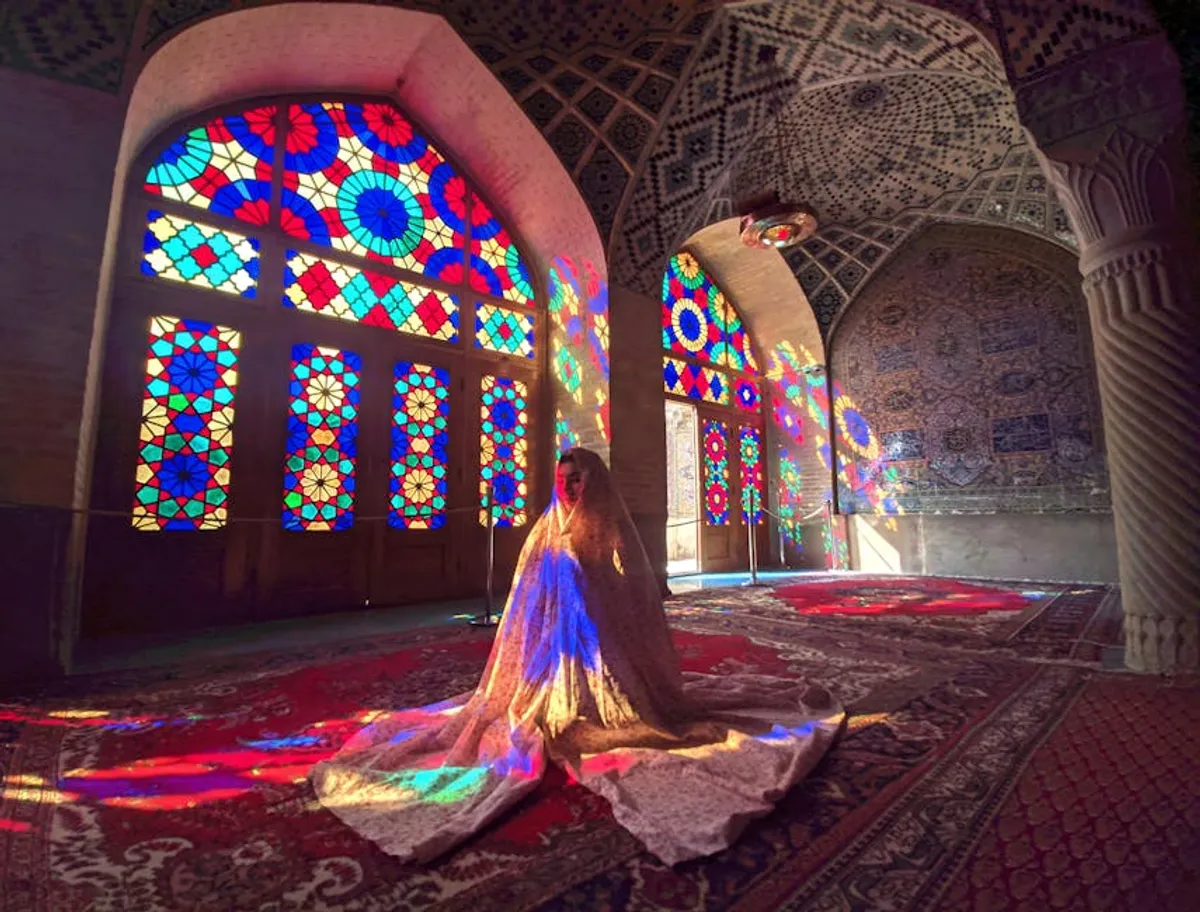
Embarking on an exploration of Persian culture offers a deep dive into one of the world's most enduring and influential civilizations. For beginners, understanding this rich tapestry means grasping not only historical events but also the intricate threads of art, language, philosophy, and daily life that have shaped a unique identity over millennia. This guide provides a foundational understanding, identifying key elements that define Persian culture and offering practical insights for those looking to appreciate its depth and nuance.
Historical Pillars: Shaping a Civilization
Persian culture is profoundly rooted in a history spanning over 2,500 years, marked by powerful empires and significant cultural innovations. The Achaemenid Empire (c. 550–330 BCE) established a vast, multi-ethnic state, known for its administrative prowess and early concepts of human rights under Cyrus the Great. This era laid groundwork for centralized governance and monumental architecture.
Following periods of Greek and Parthian rule, the Sassanid Empire (224–651 CE) revitalized Persian identity, promoting Zoroastrianism as the state religion and fostering advancements in art, science, and literature. This period is often considered a high point of pre-Islamic Persian civilization, influencing neighboring cultures from Byzantium to China.
The Arab conquest in the 7th century CE introduced Islam, which profoundly reshaped society, yet Persian culture maintained its distinct character. The subsequent Islamic Golden Age saw Persian scholars, poets, and artists contribute immensely to global knowledge, integrating Islamic principles with existing Persian traditions.
The Eloquence of Farsi: Language and Literature
The Persian language, or Farsi, stands as a cornerstone of the culture, celebrated for its poetic beauty and expressive power. Unlike Arabic, Farsi is an Indo-European language, though it uses the Arabic script. Its literary tradition is among the world's most revered, characterized by lyrical verse and profound philosophical insights. This linguistic heritage is deeply intertwined with the land itself, particularly the region known as Fars Province.
Key literary figures whose works continue to resonate globally include:
- Rumi (13th century): A Sufi mystic and poet whose spiritual verses explore divine love and unity. His influence extends far beyond the Persian-speaking world.
- Hafez (14th century): Known for his ghazals (lyric poems), often interpreted allegorically, celebrating love, wine, and the mystical. His divan is found in many Persian homes.
- Saadi (13th century): Celebrated for his ethical teachings and moral tales, particularly in works like the *Gulistan* (Rose Garden) and *Bustan* (Orchard), which offer practical wisdom.
Understanding the nuances of Farsi, even at a basic level, unlocks a deeper appreciation for the cultural fabric, from everyday expressions to classical poetry.
Art and Architecture: Enduring Aesthetics
Persian art and architecture are characterized by intricate detail, vibrant colors, and a harmonious blend of form and function. These aesthetic principles have evolved over centuries, reflecting diverse influences while maintaining a distinct Persian identity.
Miniature Painting and Calligraphy
Persian miniature painting, often illustrating epic poems and historical texts, is renowned for its delicate brushwork, rich symbolism, and narrative complexity. These small, highly detailed paintings are not merely illustrations but works of art in their own right. Calligraphy, too, holds a sacred place, transforming written words into visual masterpieces, particularly in religious texts and architectural inscriptions.
Carpets and Textiles
Persian carpets are globally recognized for their exquisite craftsmanship, intricate patterns, and durable quality. Each region historically developed distinct designs and weaving techniques, often incorporating floral motifs, geometric shapes, and symbolic imagery. These are not just floor coverings but significant cultural artifacts and investments.
Architectural Grandeur
From the ancient ruins of Persepolis to the majestic mosques and palaces of Isfahan, Persian architecture showcases innovative engineering and breathtaking aesthetics. Key features include grand domes, elaborate tilework, intricate muqarnas (stalactite vaulting), and the integration of gardens, reflecting a deep connection to nature and paradise concepts.
Cuisine and Hospitality: The Heart of the Home
Persian cuisine is a culinary art form, emphasizing fresh ingredients, aromatic spices, and slow cooking. Rice (polo) is a staple, often prepared with saffron, barberries, or dried fruits. Stews (khoresh) featuring lamb, chicken, or beef, combined with vegetables and herbs, are common. Kebabs, though widespread, are elevated with specific marinades and cooking techniques.
Key characteristic: The importance of hospitality (mehmoonnawazi) is paramount. Guests are treated with utmost respect and generosity, often being offered the best food and comfort available. This cultural value shapes social interactions and family gatherings.
Pro Tip: When engaging with Persian hospitality, particularly in a home setting, be aware of *taarof*. This complex system of polite deference involves offering and refusing things multiple times out of politeness, before accepting. For instance, an offer of tea might be initially refused by the guest, and then re-offered by the host, until it is genuinely accepted. Navigating *taarof* respectfully shows cultural awareness.
Customs and Etiquette: Navigating Social Norms
Understanding Persian social etiquette is crucial for respectful interaction. Beyond *taarof*, several customs shape daily life:
- Greetings: A handshake is common among men, while women may offer a hand to other women. For mixed-gender interactions, a verbal greeting and a slight bow are appropriate unless a handshake is initiated by the woman.
- Respect for Elders: Deference to older individuals is deeply ingrained. This includes standing when an elder enters a room, using polite forms of address, and allowing them to speak first.
- Nowruz (Persian New Year): Celebrated on the vernal equinox, Nowruz is a major cultural event. It involves family visits, special meals, and the arrangement of a "Haft-Seen" table with seven symbolic items. It's a time of renewal and togetherness.
Engaging with Persian Culture: Next Steps
For beginners seeking to deepen their understanding, several avenues offer rich engagement:
- Literature and Poetry: Explore English translations of Rumi, Hafez, and Saadi. Many online resources and academic institutions offer insights into Persian literature.
- Documentaries and Films: Seek out documentaries on Persian history, art, and contemporary life. Iranian cinema, in particular, has garnered international acclaim for its poignant storytelling.
- Culinary Exploration: Experiment with Persian recipes. Many cookbooks and online guides detail traditional dishes, allowing for a sensory connection to the culture.
- Language Basics: Learning a few common Farsi phrases can significantly enhance interactions and demonstrate respect for the culture.
- Museums and Exhibitions: Major museums worldwide often house significant collections of Persian art and artifacts, providing visual context to historical periods.
Approaching Persian culture with an open mind and a willingness to learn will unlock a world of profound beauty, wisdom, and human connection.
Frequently Asked Questions About Persian Culture
What is the difference between Persian and Arabic culture?
While both cultures have been influenced by Islam, they are distinct. Persian culture is rooted in ancient Iranian civilization, with its own Indo-European language (Farsi), literary tradition, and pre-Islamic history. Arabic culture is centered on the Arabic language and traditions originating from the Arabian Peninsula.
What is Taarof?
Taarof is a complex system of ritual politeness and deference in Persian culture. It involves offering something multiple times out of courtesy and refusing something multiple times out of humility before genuinely accepting or declining. It's a nuanced social dance that emphasizes respect and humility.
Is Persian culture only found in Iran?
No. While Iran is the primary modern-day home of Persian culture, its influence extends to Afghanistan, Tajikistan, parts of Uzbekistan, and various diaspora communities worldwide. Historically, Persian culture significantly impacted regions across Central Asia, the Caucasus, and the Indian subcontinent.
What is Nowruz?
Nowruz is the traditional Persian New Year celebration, observed on the vernal equinox (around March 20th or 21st). It predates Islam and symbolizes renewal, rebirth, and the arrival of spring. Families celebrate with special meals, gift-giving, and the arrangement of a ceremonial "Haft-Seen" table.