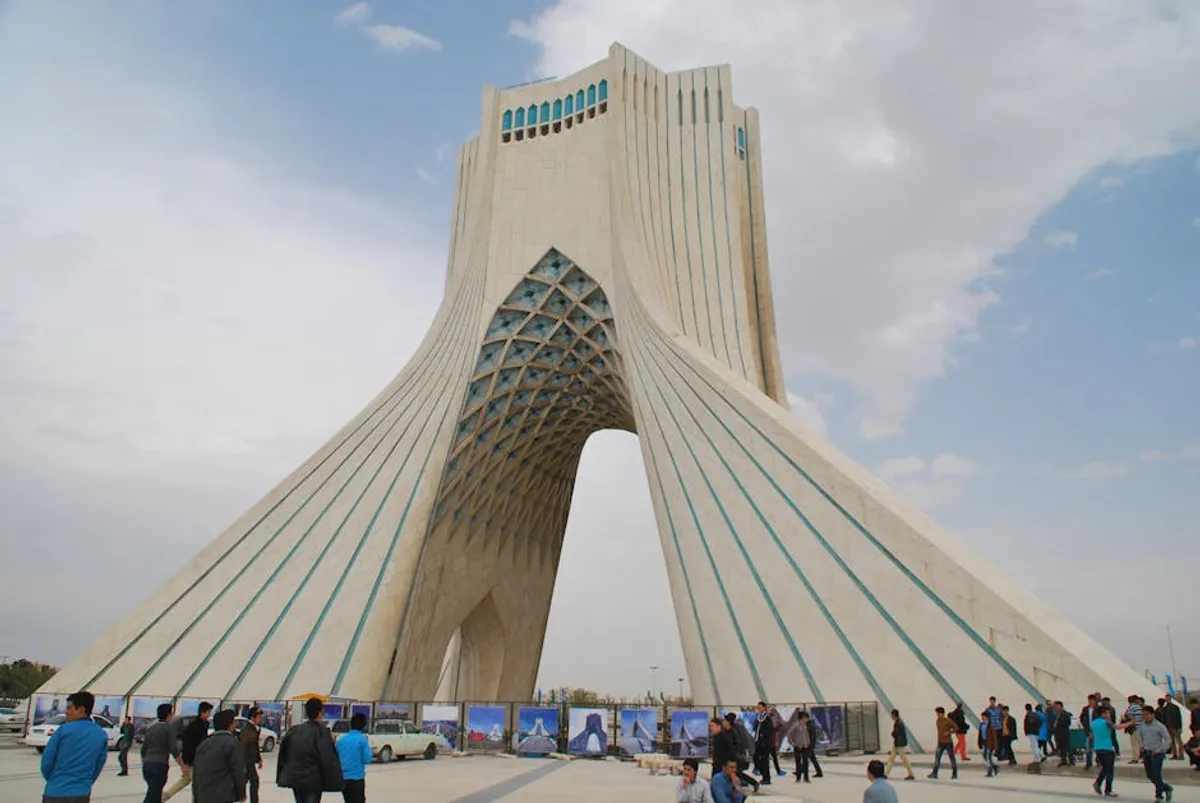
Visiting Iran offers a profound cultural immersion, distinct from many other global destinations. Prospective travelers must approach this journey with a clear understanding of local customs, logistical realities, and social norms to ensure a respectful and rewarding experience. This preparation is not merely about convenience; it's about navigating a rich, ancient society that operates on principles of hospitality, tradition, and specific legal frameworks. Understanding these elements beforehand allows visitors to engage authentically, avoid inadvertent missteps, and appreciate the depth of Iranian culture. Many visitors are drawn to Iran specifically to explore its magnificent historical sites and ancient wonders.
Navigating Cultural Etiquette
Iranian culture is deeply rooted in Persian traditions and Islamic principles, manifesting in social interactions, dress, and daily life. Respecting these nuances is paramount for visitors.
Dress Code Expectations
Modest dress is required for both men and women in public spaces. This is a legal and cultural expectation, not merely a suggestion. Adherence demonstrates respect for local customs.
- For Women: A headscarf (roussari or maghnae) is mandatory in public from the moment of arrival. Clothing should cover arms and legs, typically with a long-sleeved tunic or coat (manteau) extending to mid-thigh or knee length, paired with long trousers or a long skirt. Avoid tight-fitting or revealing garments.
- For Men: While less restrictive, long trousers are standard. Shorts are generally considered inappropriate outside of private settings or specific sports activities. T-shirts are acceptable, but collared shirts are preferred for more formal occasions or religious sites.
Contextual Note: While norms are generally observed, urban areas, particularly Tehran, may exhibit slightly more relaxed interpretations among younger generations, but visitors should always err on the side of caution and conservative attire.
Social Interactions and Taarof
Iranian hospitality is legendary, often expressed through a complex system of etiquette known as Taarof. This involves an elaborate form of politeness, often characterized by exaggerated humility and offers that are not always meant to be accepted on the first or even second refusal.
Pro Tip: When offered something, especially hospitality or a service, it is customary to politely refuse at least once or twice before accepting. This is Taarof in action. Similarly, when paying for goods or services, vendors might initially refuse payment as a gesture of generosity; insist on paying. Learning a few basic Persian phrases like "Merci" (thank you) and "Baleh" (yes) or "Na" (no) can significantly enhance interactions.
Direct eye contact is generally acceptable, especially between individuals of the same gender. Public displays of affection are highly discouraged. Handshakes are common between individuals of the same gender; between genders, it's best to wait for the Iranian person to initiate, or simply offer a respectful nod or hand-over-heart gesture if uncertain.
Practicalities for Your Journey
Beyond cultural norms, several logistical considerations are unique to travel in Iran.
Visa and Entry Procedures
Visa requirements vary significantly by nationality. Many nationalities require a visa in advance, often through an authorized agency or embassy. Some may be eligible for a visa on arrival at international airports, but verifying this for your specific passport is critical before departure. Ensure your passport has at least six months' validity beyond your intended departure date.
Currency and Financial Transactions
Iran's financial system is largely disconnected from international banking networks. This means:
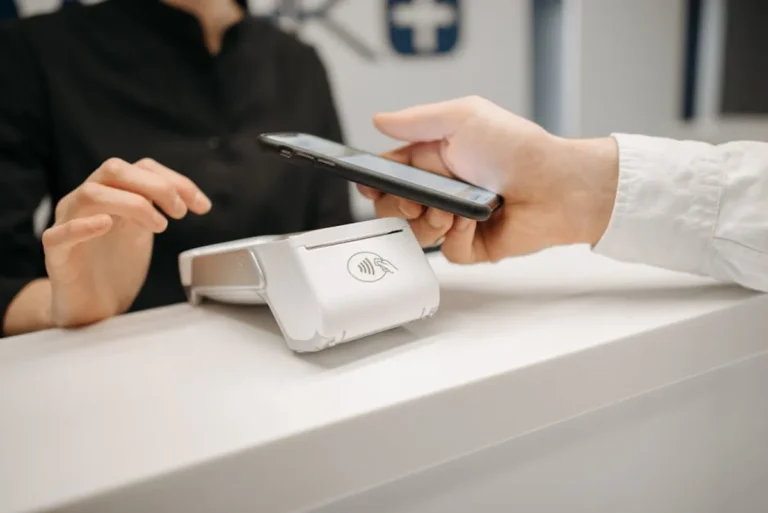
- Cash is King: International credit and debit cards (Visa, MasterCard, etc.) are generally not accepted. Visitors must carry sufficient cash for their entire trip, preferably in Euros or US Dollars, which can be exchanged for the local currency, Iranian Rial (IRR), at official exchange offices (sarrafi).
- Rial vs. Toman: Iranians commonly refer to prices in Toman, which is simply the Rial amount divided by ten (e.g., 10,000 Rials = 1,000 Tomans). Always clarify whether a price is in Rials or Tomans to avoid confusion.
- Local Prepaid Cards: Some services offer prepaid debit cards for tourists, which can be loaded with foreign currency upon arrival. This provides a secure way to manage funds without carrying large amounts of physical cash.
Transportation and Connectivity
Iran offers a range of transportation options. Intercity travel is efficient via modern long-distance buses, trains, and domestic flights. Within cities, taxis are readily available, and ride-hailing apps like Snapp and Tapsi (local equivalents to Uber) are widely used and often provide better pricing and convenience than street taxis.
Internet access is available, but certain international websites and social media platforms are filtered. A Virtual Private Network (VPN) is essential for accessing many common services. Local SIM cards (e.g., Irancell, MCI) are inexpensive and provide reliable mobile data, which is crucial for navigation and communication.
Health, Safety, and Local Sensitivities
While generally a safe country for tourists, awareness of local laws and customs is important.
Laws and Regulations
Strict Islamic laws are enforced. Alcohol consumption is prohibited, and possession can lead to severe penalties. Photography near military installations or government buildings is forbidden. Always ask permission before photographing individuals, particularly women.
Emergency Contacts: Familiarize yourself with emergency numbers: 110 for police, 115 for ambulance, and 125 for fire services. Your embassy or consulate contact information should also be readily accessible.
Navigating Your Iranian Journey
Preparation is the cornerstone of a successful trip to Iran. By understanding and respecting the cultural landscape, managing financial practicalities, and adhering to local laws, visitors can unlock an extraordinary travel experience. The rewards are significant: unparalleled hospitality, magnificent historical sites, vibrant bazaars, and a deep connection to a civilization that has shaped much of human history. Approach your visit with an open mind and a willingness to learn, and Iran will undoubtedly leave a lasting impression.
Frequently Asked Questions
Is Iran safe for tourists?
Generally, Iran is considered safe for tourists. Violent crime against foreigners is rare. However, political sensitivities mean visitors should exercise discretion, particularly regarding photography of government buildings or demonstrations, and adhere strictly to local laws.
Can I use my credit card in Iran?
No, international credit and debit cards are not accepted in Iran due to banking sanctions. You must bring sufficient cash (Euros or US Dollars are preferred) to exchange for local currency, or utilize a tourist prepaid debit card available upon arrival.
What is Taarof?
Taarof is a complex system of Iranian etiquette involving ritualized politeness, humility, and offers. It often means politely refusing an offer once or twice before accepting, or insisting on paying for something even if the host initially declines payment. Understanding it helps navigate social interactions smoothly.
Do I need a VPN in Iran?
Yes, a VPN is highly recommended and often necessary. Many popular international websites and social media platforms are filtered or blocked in Iran, and a VPN allows access to these services and maintains online privacy.