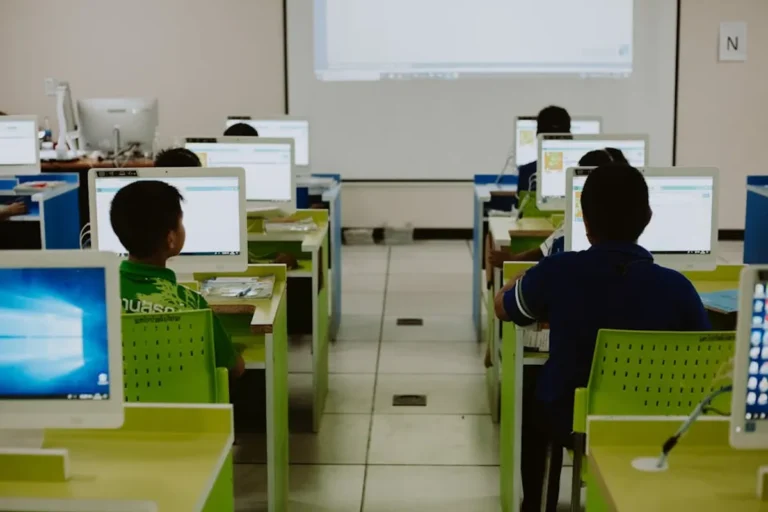

Selecting the right school for a child involves evaluating numerous factors beyond promotional materials. A school visit offers a direct opportunity to observe the environment, interact with staff, and gather specific information pertinent to a child's educational and developmental needs. This direct engagement is crucial for parents to move past general impressions and gain concrete insights into a school's operational philosophy, academic rigor, and support systems. Understanding what to inquire about during this visit ensures that parents can make a decision grounded in a comprehensive assessment of the school's capacity to meet their expectations and the child's individual requirements.
Understanding the School's Educational Philosophy
A school's educational philosophy dictates its approach to teaching, learning, and student development. Parents need to understand this core belief system to determine if it aligns with their values and their child's learning style. Direct questions help reveal the practical application of this philosophy.
Curriculum Depth and Instructional Methods
Inquire about the specifics of the academic program beyond general subject lists. Understanding how subjects are taught and the depth of the curriculum provides insight into the intellectual challenges and opportunities available.
- How does the school differentiate instruction for students with varying learning paces or styles?
- What specific methodologies (e.g., project-based learning, inquiry-based learning, direct instruction) are predominantly used in classrooms?
- Can you describe the school’s approach to technology integration in daily learning?
- What are the expectations for homework and independent study at different grade levels?
- How does the curriculum prepare students for subsequent educational stages or higher education?
Academic Support and Enrichment Programs
Beyond core academics, understanding the provisions for both struggling and advanced learners is critical. This reveals the school's commitment to individual student growth.
Ask about:
- What resources are available for students who require additional academic support or intervention?
- Are there enrichment programs or advanced placement opportunities for gifted students?
- How does the school identify and address learning differences or special educational needs?
- What is the student-to-teacher ratio, and how does it impact individualized attention?
Assessing Student Well-being and Environment
A positive and supportive environment is as crucial as academic strength. Questions in this area focus on the daily experience of students, encompassing social, emotional, and physical safety.
Social-Emotional Development and Discipline
A school's approach to student behavior, conflict resolution, and emotional support reflects its overall culture. These questions help gauge the school's commitment to fostering a healthy social environment.
Inquire about:
- What is the school's philosophy and approach to discipline and behavior management?
- How does the school promote positive social interactions and address bullying?
- What mental health and counseling services are available to students?
- How does the school support students through transitions (e.g., entering a new grade, moving to a new school)?
Extracurricular Activities and Opportunities
Extracurricular activities contribute significantly to a child's holistic development, offering opportunities for skill building, passion exploration, and social engagement.
Ask about:
- What range of extracurricular activities, clubs, and sports are offered, and at what grade levels?
- How are students encouraged to participate in activities outside of academics?
- Are there opportunities for leadership development within these programs?
- What is the typical participation rate in extracurriculars?
Evaluating Faculty and Staff Credentials
The quality of teaching staff directly impacts the learning experience. Understanding their qualifications, experience, and professional development opportunities provides insight into the educational standards.
Teacher Experience and Professional Development
Consider asking:
- What are the average years of teaching experience among the faculty?
- What is the school’s policy on ongoing professional development for teachers?
- How does the school support new teachers in their roles?
- What is the staff turnover rate, and what are the reasons for it?
Inspecting Facilities and Resources
The physical environment and available resources play a role in a child's learning and comfort. A thorough inspection and targeted questions ensure that the facilities meet expectations.
Learning Spaces and Technology Integration
Direct questions include:
- How are classrooms designed to facilitate different learning activities (e.g., collaborative work, individual study)?
- What specific technology resources (e.g., computer labs, smartboards, individual devices) are available to students?
- How does the school ensure the safety and maintenance of its facilities, including playgrounds and sports areas?
- What library and media resources are accessible to students?
Investigating Community and Parental Engagement
A strong school community often involves active parental participation and clear communication channels. This fosters a supportive ecosystem for students.
Communication Channels and Volunteer Opportunities
Inquire about:
- What are the primary methods of communication between the school and parents?
- How does the school involve parents in their child's education and school life?
- Are there parent associations or volunteer opportunities available?
- How does the school foster a sense of community among students, parents, and staff?
Clarifying Admissions and Operational Details
Practical considerations such as the admissions process, fees, and daily logistics are essential for planning and decision-making.
Application Process and Financial Considerations
Ask about:
- What is the complete application process and timeline?
- Are there any specific admission criteria or entrance exams?
- What are the tuition fees, and are there additional costs (e.g., uniforms, books, trips)?
- Are scholarships, financial aid, or payment plans available, and what is the application process for them?
- What are the school hours, transportation options, and after-school care arrangements?
Pro Tip: Beyond asking questions, observe the interactions between students and teachers, the general atmosphere, and the condition of the facilities. Trust your instincts regarding the overall feeling of the school environment, as this often reveals unspoken aspects of the school culture.
Maximizing Your School Visit
A school visit is an investment of time that yields critical information. Prepare a list of questions tailored to your child's specific needs and your family's priorities. Take notes during the visit to compare different schools objectively. Don't hesitate to ask for clarification or to speak with additional staff members if your initial questions aren't fully addressed. Requesting a follow-up visit or an opportunity for your child to shadow a class can provide further valuable insights. The goal is to gather enough concrete detail to make an informed decision that best supports your child’s educational journey. To ensure you cover all bases, remember to prepare a list of questions tailored to your child's specific needs and your family's priorities.
Frequently Asked Questions
What should I look for in a classroom during a school visit?
Observe student engagement, teacher-student interaction dynamics, the organization of learning materials, and evidence of student work displayed. Look for a balance of individual and collaborative learning spaces.
Is it acceptable to speak with current parents during a school visit?
While direct conversations with parents might not always be arranged during a formal tour, you can ask the admissions office if there are opportunities to connect with current families or attend parent association meetings. This provides an external perspective on the school's community and daily operations.
How important is class size when choosing a school?
Class size influences the amount of individualized attention a student receives. Smaller classes often allow for more personalized instruction and stronger teacher-student relationships, while larger classes might foster a different dynamic of independent learning and peer collaboration. Evaluate how the school leverages its class sizes to support its educational goals.
What if I have more questions after my visit?
It is common to have follow-up questions. Contact the admissions office or the specific staff member you met during your visit. Most schools welcome further inquiries as they indicate genuine interest and thorough consideration from prospective families.