
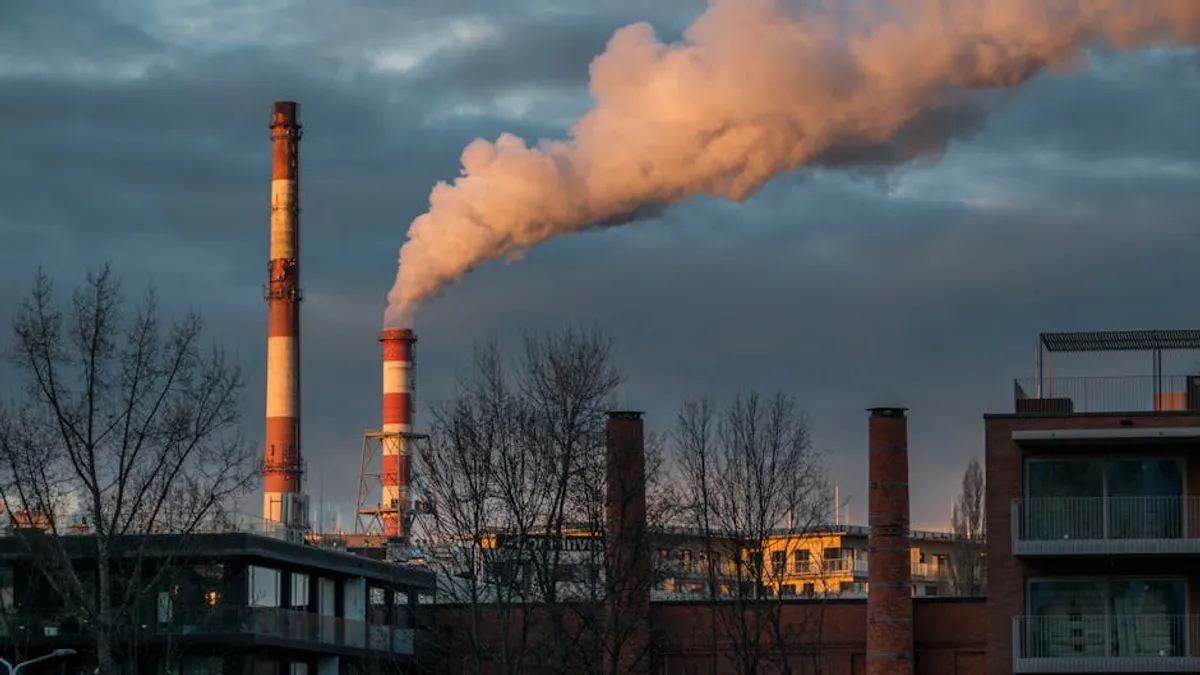
Businesses increasingly face stringent regulatory demands and heightened public scrutiny regarding environmental impact. Effective pollution control is no longer merely an option but a strategic imperative that directly influences operational costs, legal compliance, brand reputation, and long-term sustainability. Understanding the core principles, practical applications, and evolving landscape of pollution control allows organizations to mitigate risks, optimize resource use, and secure a competitive advantage in a market that increasingly values ecological responsibility.
Defining Pollution Control: Scope and Imperatives
Pollution control encompasses the processes and technologies designed to prevent, reduce, or eliminate the emission of harmful substances and energy into the environment. Its primary objective is to safeguard public health and preserve ecological balance by managing various forms of environmental contamination. This involves a spectrum of activities, from source reduction and waste treatment to remediation of contaminated sites.
The imperative for robust pollution control stems from several critical areas:
- Regulatory Compliance: Adherence to local, national, and international environmental laws and standards is non-negotiable. Non-compliance results in severe financial penalties, operational disruptions, and legal liabilities.
- Public Health Protection: Pollutants directly impact human health, leading to respiratory illnesses, waterborne diseases, and long-term health complications. Effective control measures reduce these risks.
- Ecosystem Preservation: Unchecked pollution degrades natural habitats, harms biodiversity, and disrupts vital ecosystem services, such as clean water and air provision.
- Resource Efficiency: Many pollution control strategies, particularly those focused on prevention and waste reduction, lead to more efficient use of raw materials and energy, translating into direct cost savings.
- Brand and Reputation Management: Companies with strong environmental performance often enjoy enhanced public trust, customer loyalty, and investor confidence. Conversely, environmental incidents can severely damage a brand’s standing.
Categorizing Pollution and Its Control Mechanisms
Pollution manifests in various forms, each requiring specific control strategies. Effective management starts with identifying the type of pollutant and its source.
Air Quality Management
Air pollution involves the release of particulate matter, gases, and volatile organic compounds into the atmosphere. Control methods focus on capturing or transforming these emissions at their source.
Examples:
- Scrubbers: Systems that remove pollutants like sulfur dioxide and particulate matter from industrial exhaust streams by passing them through a liquid solution.
- Electrostatic Precipitators: Devices that use an electric field to charge and collect particulate matter from gas streams, commonly used in power plants and industrial facilities.
- Catalytic Converters: Installed in vehicle exhaust systems to convert toxic pollutants (carbon monoxide, nitrogen oxides, unburnt hydrocarbons) into less harmful substances.
Water Resource Protection
Water pollution involves contaminating surface water bodies, groundwater, and oceans with industrial effluents, agricultural runoff, and domestic sewage. Control focuses on treatment and discharge regulation.
Examples:
- Wastewater Treatment Plants: Multi-stage facilities (primary, secondary, tertiary) that remove solids, organic matter, and nutrients from municipal and industrial wastewater before discharge.
- Filtration Systems: Employed to remove suspended solids, pathogens, and chemical contaminants from water through physical barriers or membranes.
- Bioremediation: Using microorganisms or plants to break down or absorb pollutants in contaminated water or soil.
Land and Soil Remediation
Soil pollution results from the improper disposal of solid waste, chemical spills, and agricultural practices. Control aims at preventing contamination and restoring degraded land.
Examples:
- Secure Landfills: Engineered sites designed to contain solid waste, preventing leachate from contaminating soil and groundwater through impermeable liners and collection systems.
- Phytoremediation: Using plants to extract, stabilize, or degrade pollutants in soil.
- Soil Vapor Extraction: A technique to remove volatile organic compounds from contaminated soil by applying a vacuum to the soil.
Addressing Noise and Light Emissions
These less tangible forms of pollution can significantly impact human well-being and wildlife. Control focuses on source reduction and mitigation.
Examples:
- Sound Barriers: Physical structures designed to absorb or reflect sound waves, reducing noise propagation from highways, industrial sites, or construction.
- Acoustic Enclosures: Custom-built housings for noisy machinery to contain sound at the source.
- Shielded Light Fixtures: Designed to direct light downwards, minimizing light spill into the night sky and reducing glare.
Waste Management and Circularity
The accumulation of solid waste, particularly plastics, poses a global environmental challenge. Control emphasizes reduction, reuse, recycling, and responsible disposal.
Examples:
- Recycling Programs: Collecting and reprocessing materials (plastics, metals, paper) to produce new products, reducing the need for virgin resources and landfill space.
- Waste-to-Energy Facilities: Incinerating waste to generate electricity while minimizing landfill volume, often with advanced emission controls.
- Circular Economy Principles: Designing products for longevity, repairability, and recyclability to minimize waste generation throughout their lifecycle.
A Strategic Guide to Implementing Control Measures
Effective pollution control requires a systematic approach, integrating assessment, compliance, technology, and continuous improvement.
Initial Assessment and Risk Profiling
Before implementing any control measures, a thorough understanding of the current situation is essential. This involves:
- Identifying all potential sources of pollution within an operation.
- Quantifying the types and volumes of pollutants generated.
- Assessing the environmental and health risks associated with these pollutants.
- Establishing baseline data for future performance measurement.
Navigating Regulatory Frameworks
Compliance is the foundation. Businesses must identify and understand all applicable environmental regulations at local, regional, national, and international levels. This includes emission limits, discharge standards, waste handling protocols, and reporting requirements. Engaging with environmental consultants can help interpret complex legislation and ensure adherence.
Technology Selection and Integration
Choosing the right pollution control technology depends on the specific pollutant, desired efficiency, operational scale, available budget, and long-term maintenance considerations. Solutions range from simple process modifications to complex engineering systems. An integrated approach often yields the best results, combining multiple technologies for comprehensive control.
Monitoring, Reporting, and Verification
Once control measures are in place, continuous monitoring is crucial to ensure their effectiveness and compliance. This involves regular sampling, analysis, and data collection. Robust reporting mechanisms are necessary for regulatory bodies and internal stakeholders. Independent verification or third-party audits can provide assurance regarding performance and compliance.
Commercial Imperatives and Evolving Landscape in Pollution Control
Beyond compliance, pollution control offers significant commercial advantages and is increasingly influenced by broader sustainability trends.
PRO TIP: Ignoring regulatory shifts in pollution control can lead to significant fines and reputational damage. Implement a proactive monitoring system for policy changes, integrating compliance checks into your operational audits to avoid costly penalties and maintain market trust.
Cost-Benefit Analysis: While initial investments in pollution control technology can be substantial, the long-term benefits often outweigh these costs. These include reduced fines, lower waste disposal fees, potential for resource recovery (e.g., energy from waste, recycled materials), improved operational efficiency, and decreased health-related costs for employees and communities.
Technological Advancements: The field is dynamic, with innovations continually emerging. Smart sensors, AI-driven monitoring systems, advanced materials for filtration, and more efficient bioremediation techniques are transforming how pollution is detected and managed. Staying abreast of these developments allows for more effective and cost-efficient solutions.
Sustainability and ESG Integration: Environmental, Social, and Governance (ESG) factors are central to investor decisions and corporate strategy. Strong pollution control practices contribute positively to the "E" in ESG, enhancing a company's appeal to ethically conscious investors and consumers. It signals a commitment to responsible operations and long-term value creation.
Evolving Regulatory Landscape: Environmental regulations are not static. They are continually updated and tightened in response to new scientific understanding, technological capabilities, and public demand. Businesses must anticipate these changes and build adaptable control systems to remain compliant and competitive.
Proactive Steps for Environmental Stewardship
Implementing effective pollution control is an ongoing commitment rather than a one-time project. Organizations should prioritize a culture of continuous improvement, regularly reviewing their environmental performance against internal targets and external benchmarks. This includes investing in employee training on best practices, fostering innovation in cleaner production methods, and engaging with supply chains to extend environmental responsibility beyond direct operations. By embedding pollution control into core business strategy, companies can achieve both ecological integrity and enduring commercial success.
Frequently Asked Questions
What is the primary goal of pollution control?
The primary goal of pollution control is to minimize the release of harmful substances and energy into the environment, thereby protecting human health, preserving ecosystems, and ensuring compliance with environmental regulations.
How do businesses benefit commercially from effective pollution control?
Businesses benefit from reduced regulatory fines, lower operational costs through resource efficiency, enhanced brand reputation, increased investor appeal due to strong ESG performance, and improved employee health and safety, leading to greater productivity.
What are the key stages in implementing a pollution control strategy?
Key stages include initial assessment and risk profiling, understanding and ensuring regulatory compliance, selecting and integrating appropriate control technologies, and establishing robust monitoring, reporting, and verification systems for continuous improvement.
Does pollution control only apply to large industrial operations?
No, pollution control principles apply to operations of all sizes. While large industries may face more complex regulations, even small businesses must manage waste, emissions, and discharges responsibly to comply with local laws and minimize their environmental footprint.