
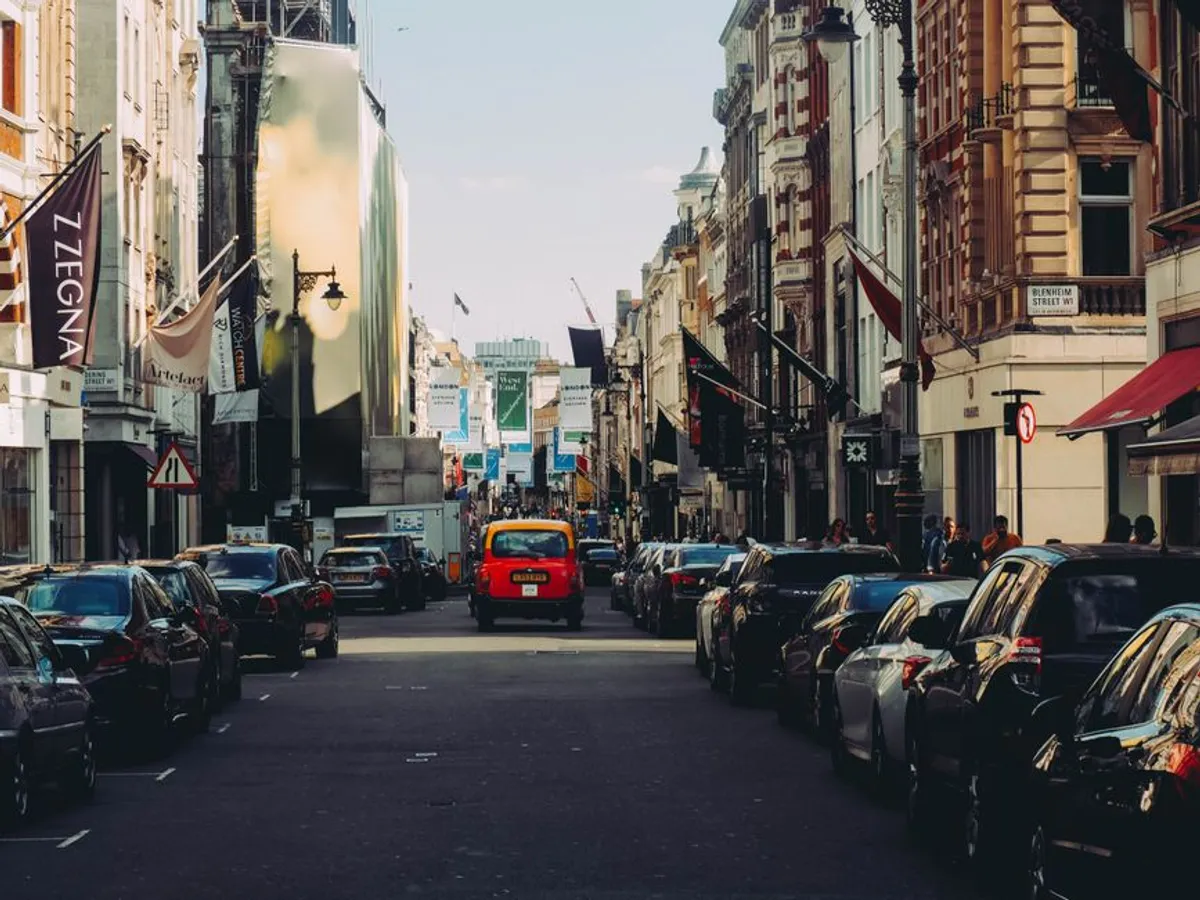
Analyzing the search presence of a prominent online entity focused on Mayfair London offers valuable insights for publishers targeting high-value geographic and lifestyle niches. Understanding how such a site captures and retains organic traffic reveals effective content strategies for competitive luxury markets. This profile examines the content categories, audience intent, and visibility patterns that define a digital presence centered on one of London's most exclusive districts, providing a framework for optimizing content within similar high-end local contexts.
What a Site About Mayfair London Appears to Cover
A comprehensive online presence dedicated to Mayfair London typically addresses a broad spectrum of topics reflecting the district's diverse appeal. Content clusters often include luxury real estate, detailing property listings, market trends, and investment opportunities within the area. High-end retail forms another significant category, featuring directories of luxury boutiques, brand profiles, and shopping guides that highlight exclusive offerings. The site frequently covers the extensive gastronomic scene, profiling Michelin-starred restaurants, elite bars, and bespoke culinary experiences, alongside luxury hotel reviews and accommodation options. Cultural content is also prominent, with features on art galleries, auction houses, historical landmarks, and local events. Beyond these, a site focusing on Mayfair may delve into exclusive lifestyle services, such as concierge offerings, private clubs, and bespoke personal services. Historical narratives often provide context, tracing the district's evolution, notable residents, and architectural heritage. Additionally, some content addresses practical aspects like local regulations, transport, and visitor information, which can include generalized discussions around safety and security within the area, framed as informational guides rather than direct advice. The site may also explore "alternatives" in a content context, comparing different luxury districts or contrasting high-end services available within London.
Where Its Search Traffic May Come From
Organic search traffic for a site centered on Mayfair London originates from a blend of specific keyword types and user queries. A significant portion comes from geographically explicit commercial keywords, such as "luxury apartments Mayfair for sale," "best private dining Mayfair," or "Mayfair art galleries." These queries indicate strong transactional intent. Informational searches contribute traffic through terms like "history of Mayfair London," "famous residents Mayfair," or "what to do in Mayfair." These users seek knowledge and context about the district. Navigational queries, targeting specific businesses or landmarks within Mayfair, also drive visitors who are looking for direct access to known entities, for example, "Claridge's Mayfair contact" or "Sotheby's Mayfair opening hours." Long-tail keywords combining specific interests with the location, such as "bespoke tailoring Mayfair prices" or "Mayfair property investment guide," capture highly qualified traffic by addressing niche demands. The site's content strategy effectively targets users at various stages of their decision-making process, from initial exploration to final booking or purchase.
Search Intent Behind the Subject
The audience engaging with content about Mayfair London typically exhibits a range of sophisticated search intents. A substantial segment demonstrates commercial intent, actively seeking to purchase luxury goods, book high-end services, secure premium accommodation, or identify investment opportunities. These users often employ specific, high-value keywords. Another key intent is informational, driven by individuals researching the district's history, cultural significance, current events, or lifestyle trends. This includes visitors planning trips, students, or those with a general interest in luxury urban environments. Local intent is also crucial, as many users are physically in or near Mayfair, looking for directions, operating hours, or specific services like "Mayfair pharmacy" or "nearest Mayfair taxi stand." Furthermore, a segment of the audience displays transactional intent, ready to complete a booking, reservation, or purchase after gathering necessary information. The site's content structure and internal linking often guide these users through the sales funnel, from discovery to conversion, by providing detailed, authoritative information that builds trust and facilitates decision-making.
Why Traffic May Rise or Fall
Organic traffic fluctuations for a Mayfair London-focused site are influenced by several factors inherent to its niche. Seasonal tourism patterns significantly impact search volume for accommodation, dining, and event-related queries, with peaks often correlating with holiday seasons or major London events. Economic shifts, particularly those affecting luxury consumer spending and property markets, can directly influence high-value commercial search terms. Major local developments, such as new luxury openings, significant cultural events, or infrastructure changes within Mayfair, can generate temporary spikes in relevant search traffic. Algorithm updates from major search engines frequently cause shifts in visibility; sites with thin content, poor technical SEO, or lacking topical authority may see declines, while those providing comprehensive, expert-backed content could experience gains. Furthermore, the content performance and SEO strategies of competing luxury lifestyle or property sites also play a role, as they vie for the same high-value keywords and audience segments. Consistent, high-quality content updates are essential to maintain relevance and authority in such a dynamic environment.
How the Site Could Improve Organic Visibility
To enhance organic visibility, a site covering Mayfair London can implement several targeted SEO strategies. Developing deeper, more granular content on specific luxury niches within Mayfair, such as "bespoke watchmakers Mayfair" or "private art dealers Mayfair," can capture highly specific, high-intent long-tail traffic. Creating hyper-local content focused on individual streets, squares, or specific landmarks, like "history of Berkeley Square Mayfair" or "dining on Mount Street," builds micro-topical authority. Comprehensive event guides, updated regularly with detailed information on local happenings, art exhibitions, and exclusive sales, can attract event-driven searchers. Incorporating expert interviews with local business owners, hoteliers, sommeliers, or historians can add unique value and E-E-A-T (Experience, Expertise, Authoritativeness, Trustworthiness) signals. Implementing structured data markup (Schema.org) for local businesses, events, reviews, and properties can significantly improve how search engines understand and display the site's content, potentially leading to rich snippets and enhanced click-through rates. Building robust topical authority around key lifestyle clusters, such as luxury shopping, fine dining, or real estate investment in Mayfair, through interconnected content series and comprehensive guides, signals to search engines that the site is a definitive resource.
What to Check Before Trusting Traffic Estimates
When evaluating reported traffic estimates for any domain, especially one in a niche like Mayfair London, critical scrutiny is essential. The reliability of the data source is paramount; different analytics platforms employ varying methodologies for estimating traffic, which can lead to significant discrepancies. It's crucial to understand whether the estimates are based on keyword rankings, click-through rate models, or actual site data. Investigating potential keyword cannibalization issues within the site's own content is also important; if multiple pages target the same keywords, they may dilute each other's performance, leading to underestimated traffic for individual high-value terms. The geographic targeting of the site's content and its audience should align with the traffic estimates; a site primarily targeting UK users might show lower global traffic but higher relevance within its intended market. Finally, the recency of the data matters; outdated estimates may not reflect current search trends, algorithm changes, or seasonal variations that heavily influence luxury market search behavior.
FAQ
What types of content does a site about Mayfair London typically publish?
A site focused on Mayfair London commonly publishes content on luxury real estate, high-end retail, fine dining, luxury hotels, cultural attractions, exclusive lifestyle services, historical narratives, and practical visitor information, including general safety considerations and comparisons of local services.
How does a Mayfair London-focused site attract organic search traffic?
Organic traffic is primarily driven by geographically specific commercial keywords, informational queries about the district's history and culture, navigational searches for specific businesses, and long-tail keywords combining niche interests with the Mayfair location.
What are the primary audience segments for content about Mayfair London?
The primary audience segments include luxury consumers with commercial intent, individuals seeking informational content about the district, local residents or visitors with local intent, and users with transactional intent ready to make bookings or purchases.
How can a site about Mayfair London enhance its search visibility?
Enhancing search visibility involves creating deep, granular content on specific luxury niches, developing hyper-local content, publishing comprehensive event guides, incorporating expert interviews, implementing structured data markup, and building strong topical authority around key lifestyle clusters.