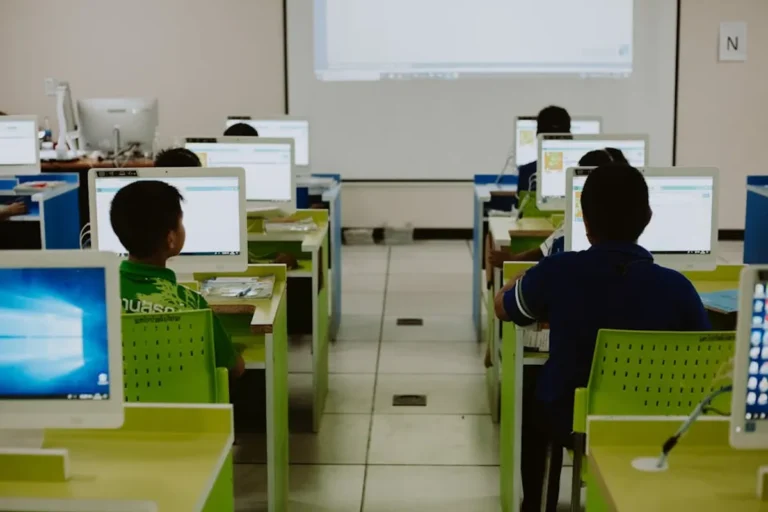

Selecting the right educational path for a child involves navigating distinct philosophies, academic structures, and future implications. The choice among CBSE, IB, and various International School curricula impacts not just daily learning but also university admissions, career trajectories, and a student's global outlook. This decision requires a clear understanding of each system's core tenets, pedagogical approaches, and the specific advantages they offer, ensuring alignment with both the student's learning style and long-term aspirations.
Understanding CBSE: The National Standard
The Central Board of Secondary Education (CBSE) is India’s largest and most widely recognized national curriculum. It serves as the foundational educational framework for a significant majority of schools across India, including many schools abroad catering to the Indian diaspora. Its primary objective is to provide a standardized, uniform education system, particularly strong in science and mathematics, designed to prepare students for competitive entrance examinations for higher education within India.
Academic Focus and Methodology
CBSE curriculum is characterized by its structured, subject-centric approach. Emphasis is placed on theoretical knowledge, rote learning, and a prescribed syllabus that aims for comprehensive coverage of specific topics. Textbooks are standardized, and teaching methodologies often involve direct instruction and practice problems. The assessment system primarily relies on year-end examinations, which are highly standardized and contribute significantly to overall grades. This method instills discipline and a strong factual base, crucial for competitive environments.
Best for: Students planning to pursue higher education, particularly engineering, medicine, or civil services, within India. It provides a consistent academic foundation and familiarizes students with the format and content frequently tested in national entrance exams.
Recognition and Pathways
CBSE certification is universally accepted by all universities and colleges in India. While its primary recognition is domestic, a CBSE qualification can be accepted by some international universities, though often requiring additional bridging courses or foundational programs to match their academic requirements. Its utility is highest for those whose academic and professional future is firmly rooted in India.
Evaluating IB: The Global Framework
The International Baccalaureate (IB) is a global education program offered across four age-specific programs: Primary Years Programme (PYP), Middle Years Programme (MYP), Diploma Programme (DP), and Career-related Programme (CP). The IB Diploma Programme (DP), for students aged 16-19, is the most widely recognized and academically rigorous, designed to foster critical thinking, independent research, and a global perspective. It is offered in over 5,000 schools across 150+ countries.
Holistic Learning and Assessment
The IB curriculum is distinguished by its inquiry-based, learner-centric approach. It encourages students to ask questions, explore concepts, and develop a deep understanding rather than merely memorizing facts. Key components like the Theory of Knowledge (TOK), the Extended Essay (EE), and Creativity, Activity, Service (CAS) are integral, promoting interdisciplinary learning, research skills, and personal development beyond academics. Assessment is multifaceted, including internal assessments (coursework, presentations) and external examinations, valuing process and application alongside content knowledge.
Best for: Students aiming for international university admissions, particularly in North America, Europe, or Australia. It cultivates research capabilities, critical analysis, and a broad understanding of global issues, highly valued by top-tier universities worldwide.
University Acceptance and Global Mobility
The IB Diploma is globally recognized and often preferred by leading universities worldwide due to its reputation for academic rigor and the development of well-rounded individuals. Many universities offer advanced placement or credit for strong IB scores. This curriculum provides significant global mobility, making transitions between international schools and university systems smoother for expat families or those planning to study abroad.
Exploring International School Options: Diverse Curricula
The term "International School" broadly refers to institutions that typically follow a non-national curriculum, often catering to an expatriate community or local students seeking a global education. These schools can offer a variety of curricula, including the British National Curriculum (leading to IGCSE and A-Levels), the American curriculum (leading to a High School Diploma with AP courses), or sometimes the IB curriculum itself. The defining characteristic is usually a diverse student body, international faculty, and a focus on global citizenship.
Curriculum Variety and Cultural Exposure
Unlike the standardized CBSE or the unified IB, the "International School" category encompasses a spectrum of educational frameworks. A school might offer the British system, emphasizing subject specialization and leading to A-Levels, which are widely accepted in UK universities. Another might follow the American system, offering a broader range of subjects and Advanced Placement (AP) courses for college credit. This variety allows for tailored educational pathways. These schools also typically provide extensive exposure to different cultures, languages, and global perspectives through their diverse student and faculty populations.
Best for: Families seeking a specific national curriculum (e.g., British, American) for university entry in those respective countries, or those prioritizing a multicultural learning environment and extensive extracurricular opportunities.
Facilities and Learning Environment
International schools often boast state-of-the-art facilities, including advanced laboratories, sports complexes, and arts studios, supported by higher tuition fees. The learning environment is typically student-centered, with smaller class sizes, fostering individualized attention and diverse teaching methodologies. They often have robust extracurricular programs, including international sports leagues, Model United Nations, and debate clubs, enriching the student experience beyond academics.
Pro Tip: When evaluating International School options, look beyond the "international" label. Identify the specific curriculum offered (e.g., British, American, IB) and thoroughly investigate its alignment with your child's learning style, academic strengths, and ultimate university and career goals. A school's facilities and reputation are secondary to the curriculum's suitability for the individual student.
Key Differentiators Across Curricula
Understanding the fundamental differences helps in making an informed decision:
- Curriculum Philosophy: CBSE is prescriptive and content-heavy, focusing on national standards. IB is inquiry-based and concept-driven, emphasizing holistic development and critical thinking. International Schools vary, often adopting national curricula with a global perspective.
- Assessment Style: CBSE relies heavily on standardized year-end exams. IB uses a combination of internal assessments, extended essays, and external examinations, valuing research and application. British curricula (IGCSE/A-Levels) also use standardized exams but allow for deeper subject specialization, while American curricula often incorporate continuous assessment and standardized tests like the SAT/ACT.
- University Preparedness: CBSE primarily prepares students for Indian universities and competitive exams. IB provides a strong foundation for global university admissions, offering advanced standing in many institutions. British and American curricula prepare students specifically for universities in the UK and US, respectively, with clear pathways.
- Cost Implications: CBSE schools are generally the most affordable due to government subsidies and wider availability. IB and International Schools are significantly more expensive, reflecting specialized faculty, international resources, and advanced facilities.
- Learning Environment: CBSE schools often have larger class sizes and a more traditional, teacher-led classroom dynamic. IB schools foster collaborative, student-driven learning. International Schools typically offer smaller class sizes, diverse peer groups, and a multicultural atmosphere.
Aligning Education with Aspirations
The choice between CBSE, IB, and various International School options is not about identifying a universally "best" curriculum, but rather the most appropriate fit for an individual student and family. Consider the student's learning preferences—do they thrive in structured, content-rich environments or prefer inquiry-based, independent exploration? Evaluate future academic and career pathways: is the goal to pursue higher education primarily in India, or are international universities a strong consideration? Finally, assess the financial commitment and geographical flexibility required by each option. A detailed analysis of these factors will illuminate the path best suited to fostering a student's potential and achieving their long-term objectives.
Frequently Asked Questions
Which curriculum is most suitable for Indian university entrance exams?
The CBSE curriculum is specifically designed to align with the syllabi and examination patterns of major Indian competitive entrance exams like JEE (engineering) and NEET (medical), making it the most direct and effective preparation route for these admissions.
Is the IB Diploma Programme significantly more challenging than CBSE?
The IB Diploma Programme is widely considered more challenging due to its emphasis on critical thinking, research, and independent learning, alongside a broader curriculum that includes Theory of Knowledge, Extended Essay, and Creativity, Activity, Service. While CBSE is rigorous in content, IB demands a higher level of analytical and self-management skills.
Do all international schools offer the IB curriculum?
No, not all international schools offer the IB curriculum. Many international schools follow other international curricula, such as the British National Curriculum (leading to IGCSE and A-Levels), the American curriculum (leading to a High School Diploma with AP courses), or a blend of these. The specific curriculum offered should be verified for each individual international school.
What are the typical cost differences between these options?
CBSE schools are generally the most economical, with tuition fees often significantly lower due to government regulation and widespread availability. IB schools and other international schools are typically considerably more expensive, reflecting specialized faculty, global resources, smaller class sizes, and extensive facilities.