
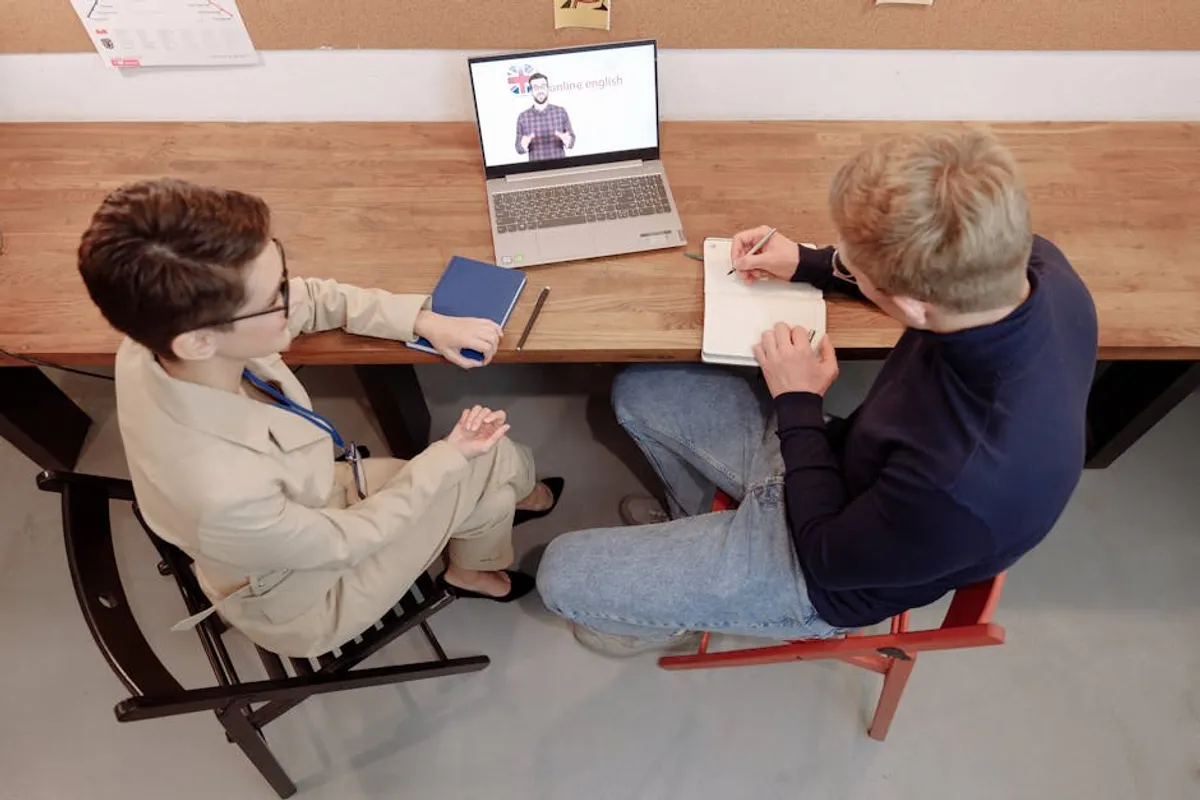
Selecting an academic tutor or support service represents a significant investment in educational outcomes. The decision extends beyond simply finding someone available; it requires a strategic alignment between the student's specific learning challenges, academic goals, and the provider's expertise and methodology. Effective selection maximizes the likelihood of improved grades, enhanced understanding, and increased confidence, making the initial evaluation process critical for long-term success.
Define Specific Academic Needs and Goals
Before engaging any service, articulate precisely what academic areas require attention and what success looks like. This clarity guides the selection process, ensuring the chosen support directly addresses the student's situation.
Identify Subject and Skill Gaps
Pinpoint the exact subjects or topics causing difficulty. Is it foundational math concepts, essay structure in English, or specific scientific principles? Beyond subjects, consider underlying academic skills such as organization, time management, note-taking, or test-taking strategies. A tutor specializing in algebra differs significantly from one adept at executive function coaching.
Establish Measurable Objectives
Set clear, quantifiable goals. These could include improving a grade from a C to a B in a specific course, achieving a target score on a standardized test (e.g., SAT, ACT), completing a challenging project, or mastering a particular skill like argumentative writing. Measurable objectives provide a benchmark for evaluating the tutor's effectiveness and the service's impact over time.
Best for: Students with clear academic deficiencies or specific test preparation targets.
Evaluate Tutor Qualifications and Experience
The expertise and background of the individual providing instruction directly influence the quality of support. Scrutinize credentials beyond surface-level claims.
Subject Matter Expertise and Credentials
Verify the tutor's proficiency in the target subject. This typically involves academic degrees in the field, teaching certifications, or demonstrable professional experience. For advanced subjects, look for tutors with graduate-level education or extensive practical application. A physics tutor with a Master's in physics offers a different depth of knowledge than an undergraduate student, though both can be effective depending on the student's level.
Teaching Experience and Methodology
Experience in teaching, particularly with students of a similar age and learning style, is paramount. Inquire about their pedagogical approach: Do they adapt to different learning styles (visual, auditory, kinesthetic)? How do they explain complex concepts? Do they use specific curricula or resources? A tutor with a proven track record of helping students achieve similar goals is often a stronger candidate.
Background Checks and Professionalism
For in-person tutoring, especially with minors, confirm that the service or individual conducts thorough background checks. Additionally, assess professionalism: punctuality, clear communication, and adherence to agreed-upon schedules and content. These logistical elements contribute to a reliable and safe learning environment.
Pro Tip: Always request references from previous clients, especially for independent tutors. A reputable service or tutor should readily provide these, allowing you to speak directly with others who have experienced their support and verify claims of effectiveness and professionalism.
Understand Service Models and Delivery Methods
Academic support comes in various formats. The optimal choice depends on the student's preferences, schedule, and learning environment.
One-on-One vs. Group Tutoring
- One-on-One: Offers personalized attention, tailored instruction, and direct feedback. Ideal for students with specific learning gaps, complex subjects, or those who benefit from individualized pacing.
- Group Tutoring: Provides peer interaction, collaborative learning, and often a more cost-effective option. Suitable for students who thrive in a communal setting, benefit from diverse perspectives, or need general review for standardized tests.
In-Person vs. Online Tutoring
In-Person: Facilitates direct interaction, allows for immediate assessment of non-verbal cues, and can be beneficial for hands-on subjects. Requires travel and scheduling coordination.
Online: Offers flexibility in scheduling and location, access to a wider pool of specialized tutors, and utilizes digital tools (whiteboards, screen sharing) for interactive learning. Requires reliable internet access and student comfort with digital platforms.
Best for: Students requiring flexible scheduling or access to highly specialized subject matter experts not locally available.
Assess Compatibility and Communication
The relationship between the student and tutor significantly impacts learning effectiveness. A strong rapport fosters trust and encourages open communication.
Personality Match and Teaching Style
A tutor's personality should complement the student's. Some students thrive with an encouraging, patient approach, while others respond better to a more direct, challenging style. A trial session can be invaluable for assessing this dynamic. The teaching style should also align with how the student best absorbs information.
Feedback Mechanisms and Progress Reporting
Inquire how the tutor or service communicates progress. Will there be regular updates to parents or guardians? How is feedback provided to the student? A good service establishes clear channels for discussing strengths, weaknesses, and adjustments to the learning plan.
Review Pricing, Contracts, and Guarantees
Financial considerations and contractual terms are practical aspects that require careful examination to avoid unexpected costs or dissatisfaction.
Pricing Structures and Payment Terms
Understand the fee structure: hourly rates, package deals, or subscription models. Clarify if materials are included or an additional cost. Ask about payment schedules, accepted methods, and any potential discounts for bulk hours or long-term commitments.
Cancellation Policies and Guarantees
Examine cancellation and rescheduling policies. What happens if a session is missed? Are there refunds for unused hours? Some services offer satisfaction guarantees or a free introductory session. These policies protect your investment and ensure flexibility.
Best for: Families or individuals seeking transparency in financial commitments and clear service level agreements.
Making Your Informed Decision
Choosing a tutor or academic support service is a multi-faceted decision. Begin by clearly defining the student's needs and academic objectives. Thoroughly vet the qualifications and experience of potential tutors, paying close attention to their subject expertise and teaching approach. Consider which service model—one-on-one, group, in-person, or online—best suits the student's learning style and logistical requirements. Finally, prioritize compatibility and clear communication, and meticulously review all contractual and financial terms. A systematic approach to these factors will lead to a more effective and beneficial partnership, ultimately supporting the student's academic growth.
Frequently Asked Questions
How many hours of tutoring are typically needed per week?
The ideal number of hours varies significantly based on the student's specific needs, the subject's difficulty, and the urgency of the academic goal. For consistent progress, one to two hours per week per subject is a common starting point, with additional time for intensive test preparation or addressing significant learning gaps.
What is the difference between a tutor and an academic coach?
A tutor primarily focuses on specific subject matter, helping students understand concepts, complete assignments, and improve grades in a particular course. An academic coach, conversely, often focuses on broader executive function skills like organization, time management, study strategies, and goal setting, which can impact performance across multiple subjects.
Should I prioritize a tutor with a teaching degree or subject matter expertise?
Both are valuable, but the priority depends on the student's needs. For foundational concepts or younger students, a tutor with strong pedagogical skills (a teaching degree) might be more effective at explaining concepts clearly. For advanced subjects or highly specialized topics, deep subject matter expertise (e.g., a Ph.D. in the field) may be more crucial, even if the tutor has less formal teaching experience.
Is a trial session always recommended?
Yes, a trial session is highly recommended whenever possible. It allows the student and tutor to assess compatibility, for the tutor to evaluate the student's learning style and needs firsthand, and for the student to experience the tutor's teaching methodology before committing to a longer-term arrangement. This helps ensure a productive and comfortable learning environment.