
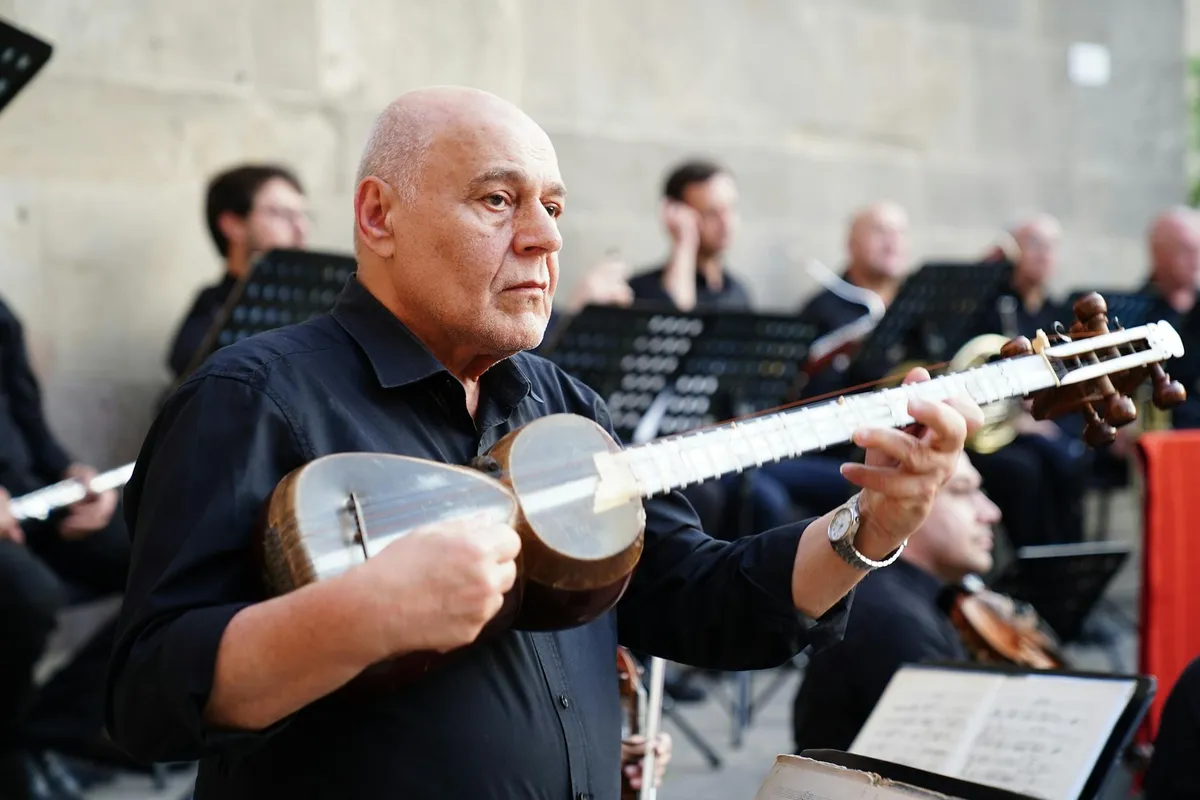
Classical Persian music operates within the dastgah (modal) system — a sophisticated organizational framework distinct from Western major-minor tonality. Listeners encountering Persian music without understanding the dastgah system often miss its structural logic. This article introduces the system at the level needed for engaged listening, with what to listen for and the recordings that reward attention.
What the dastgah system is
The dastgah system organizes Persian music into modal frameworks. Each dastgah is a specific scale-and-melodic-pattern combination that defines a musical universe within which performers improvise. There are seven primary dastgah and five auxiliary modes (āvāz). Each has distinct characters, emotional associations, and idiomatic melodic patterns.
Within a performance, musicians explore the dastgah's territory through a combination of fixed melodies (gushe) and improvisation. The performance follows traditional patterns of progression — typically beginning in the dastgah's primary territory, exploring related modes (modulations), and returning to the original.
This is structurally different from Western tonality, which operates around tonic-dominant relationships and harmonic progression. The dastgah system is melodic and modal rather than harmonic.
The seven primary dastgah
Each dastgah has distinct characteristics:
- Shur — the most widely used; melancholic, contemplative
- Mahur — bright, joyful (closest to Western major mode)
- Homayun — solemn, often associated with religious or epic content
- Segah — gentle, lyrical
- Chahargah — energetic, dynamic
- Nava — flowing, contemplative
- Rast-Panjgah — broad, formal
Listeners who learn to recognize the dastgah of a performance access additional layers of meaning. The choice of dastgah signals what kind of musical experience is being offered.
What to listen for
For listeners new to Persian classical music, the framework that helps:
Identify the lead instrument. Persian classical performances typically feature a melodic instrument (tar, setar, santur, kamancheh, ney) and percussion (tombak, daf). Sometimes vocal. Notice which instruments are present.
Listen for the modal exploration. The performance unfolds within the dastgah's territory. Notice the melodic patterns, the gradual extension of range, the moments of intensity and rest.
Notice the relationship between fixed and improvised material. Skilled listeners can hear the moments where the performer is following established gushe versus moments of improvisation. This requires familiarity but becomes audible with attention.
Attend to the modulations. The performance typically explores related modes before returning to the primary dastgah. The modulations are deliberate compositional choices.
Engage with vocal performance. Persian classical vocal traditions are particularly sophisticated. The relationship between text (often classical poetry) and music is integral.
The recordings to start with
Several recordings provide accessible entry points:
Mohammad Reza Shajarian — the major vocal artist of recent decades. Recordings with various instrumental ensembles. The Bidad recordings are particularly recommended.
Hossein Alizadeh — composer and tar player. Major works include Ney Nava and various Endless Vision recordings.
Kayhan Kalhor — kamancheh player whose work bridges classical Persian music and broader audiences. Various recordings as soloist and with the Silk Road Ensemble.
Parviz Meshkatian — santur player and composer. Ensemble work demonstrates the classical traditions clearly.
The classical radif tradition — recordings of complete radif (the canonical body of musical material organized by dastgah) by master musicians. Useful for studying the system itself.
The relationship to poetry
Persian classical music is deeply intertwined with Persian classical poetry. Vocal performance typically sets classical poems (Hafez, Rumi, Saadi, Ferdowsi) to music in the dastgah tradition. The text and music are not separable; understanding the music partly requires engaging with the poetry it sets.
For listeners interested in this dimension, recordings with text translations or accompanying scholarly material provide entry. The integrated experience of poetry and music is one of the tradition's distinctive offerings.
The contemporary scene
Classical Persian music continues as a living tradition, with active performers, ensembles, and educational institutions both in Iran and in diaspora communities. Contemporary performance includes traditional repertoire and new compositions in classical idioms, and hybrid forms that engage with other musical traditions.
The diaspora communities have produced significant performance and educational activity. The classical music has continued developing despite political and economic challenges affecting its primary cultural home.
The closing observation
Classical Persian music is among the world's sophisticated modal traditions. The dastgah system organizes music in ways distinct from Western tonality but no less complex. For listeners willing to engage with the system, the music offers experiences that Western tonal music cannot provide.
The recordings recommended above are starting points. Sustained engagement with the tradition — through listening, reading, and (ideally) some study of the dastgah system — produces appreciation that casual exposure cannot.
Source notes
Introduction draws on the published scholarship including Hormoz Farhat, The Dastgāh Concept in Persian Music (Cambridge, 1990); Margaret Caton, Performance Practice in Iran (Encyclopaedia Iranica entry); and the educational materials produced by major Persian music conservatories.